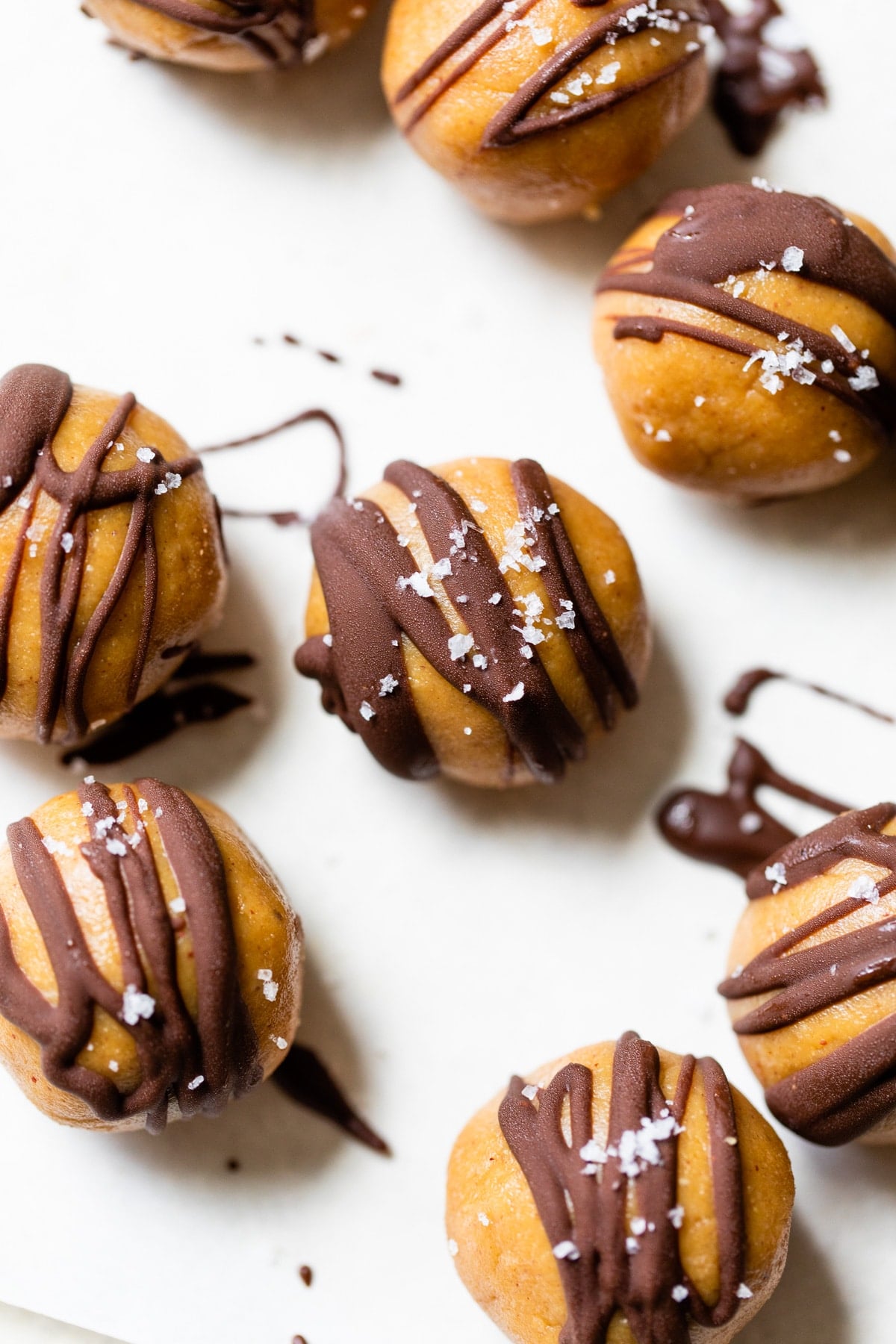
Make Healthier Peanut Butter Balls: Smart Ingredient Swaps
Peanut butter balls. Just the name conjures images of creamy, sweet indulgence – a nostalgic treat cherished by many. But let's be honest, traditional recipes often come packed with ingredients that might not align with a health-conscious lifestyle: think excessive powdered sugar, processed peanut butter, and butter. The good news? You absolutely can enjoy this beloved classic without the guilt. By making smart ingredient swaps, you can transform ordinary peanut butter balls into healthier peanut butter balls that are equally delicious, more nutritious, and incredibly satisfying.
This comprehensive guide will walk you through the clever substitutions that elevate your peanut butter balls from a sugary indulgence to a wholesome snack or dessert. Get ready to revolutionize your favorite treat!
Why Traditional Peanut Butter Balls Need a Makeover
Before we dive into the delicious world of healthy swaps, let's briefly understand why traditional peanut butter balls, while tasty, might not be the best choice for everyday snacking. Most classic recipes call for a heavy hand with:
- Refined Sugar: Primarily powdered sugar, which offers empty calories, contributes to blood sugar spikes, and provides no nutritional value.
- Processed Peanut Butter: Many popular brands contain added sugars, hydrogenated oils (trans fats), and excessive sodium, detracting from the natural goodness of peanuts.
- Butter: While butter has its place, it adds a significant amount of saturated fat without much fiber or other essential nutrients, especially when used in large quantities.
The result is a treat that's high in calories, sugar, and unhealthy fats, but low in fiber, protein, and micronutrients. Our goal is to flip this script, creating a snack that supports your health goals while still delivering that irresistible peanut butter flavor.
Smart Swaps for a Healthier Foundation
The core of any peanut butter ball lies in its peanut butter, sweetener, and binder. These are your prime targets for impactful, healthy swaps.
The Peanut Butter Power Play
Your choice of peanut butter is perhaps the most crucial decision for truly healthier peanut butter balls.
- Traditional: Processed peanut butter with added sugars and oils.
- Smart Swap: Natural, unsweetened peanut butter.
- Look for labels where the only ingredients are "peanuts" (and maybe a touch of salt).
- Natural peanut butter is rich in heart-healthy monounsaturated fats, protein, and fiber, without the unnecessary additives.
- Tip: If your natural peanut butter is very oily, stir it well before using, or drain a tiny bit of the excess oil if you find it too loose for binding. Alternatively, refrigerate it upside down for a few hours to help the oils redistribute.
Sweetening Strategies: Beyond Refined Sugar
This is where you can significantly reduce the sugar load and even add some nutritional benefits.
- Traditional: Powdered sugar, corn syrup.
- Smart Swaps:
- Maple Syrup or Honey: These natural liquid sweeteners offer a lower glycemic index than refined sugar and contain trace minerals and antioxidants. Use in moderation, as they are still sugar.
- Dates: A fantastic whole-food sweetener. Dates provide natural sweetness along with a hefty dose of fiber, potassium, and antioxidants. Blend pitted dates with a little water or warm liquid to create a paste, or simply add finely chopped dates to your mixture.
- Stevia or Erythritol: For those following a low-carb or keto diet, these natural, zero-calorie sweeteners can provide sweetness without impacting blood sugar levels. Adjust to taste, as their sweetness intensity can vary.
- Unsweetened Applesauce or Mashed Banana: These can add natural sweetness and moisture. Be mindful of the flavor they impart; applesauce is milder, while banana will be more noticeable. These also contribute fiber and vitamins.
- Tip: Start with a smaller amount of your chosen sweetener and taste as you go. You might be surprised at how little is needed, especially when using naturally sweet peanut butter.
Binding Agents: Better Than Butter
Instead of relying on solid fats for binding, consider alternatives that offer more nutritional value.
- Traditional: Butter.
- Smart Swaps:
- Coconut Oil: When chilled, coconut oil helps the balls hold their shape. It contains medium-chain triglycerides (MCTs), a type of fat that can be more readily used for energy. Use virgin, unrefined coconut oil for a subtle coconut flavor or refined for a neutral taste.
- Oat Flour (or finely ground oats): Ground oats act as an excellent binder, adding fiber and complex carbohydrates. Simply pulse rolled oats in a food processor until a flour-like consistency is achieved.
- Chia Seeds or Ground Flax Seeds: These seeds become gelatinous when exposed to liquid, making them excellent binders. They also pack a punch of omega-3 fatty acids, fiber, and protein.
- Protein Powder: A scoop of your favorite protein powder (whey, casein, or plant-based) can help bind the mixture, add bulk, and significantly boost the protein content, enhancing satiety. Ensure it's a flavor that complements peanut butter (vanilla or unflavored work best).
- Tip: Experiment with combinations. For example, a little melted coconut oil mixed with oat flour often yields a perfect texture.
Boosting Nutrition & Flavor: Beyond the Basics
Once you've nailed the foundational swaps, it's time to get creative with add-ins and coatings to further enhance the nutrition and flavor profile of your healthier peanut butter balls.
Fiber, Protein & Healthy Fats: The Ultimate Boosters
These additions can turn your treat into a truly power-packed snack.
- Whole Grains:
- Rolled Oats: Adding whole rolled oats (or oat flour, as mentioned) provides soluble fiber, which is great for digestion and heart health. They also add a pleasant chewiness.
- Seeds & Nuts:
- Chia Seeds & Flax Seeds: Beyond binding, these are nutritional powerhouses, providing omega-3s, fiber, and protein.
- Hemp Seeds: A complete protein source with a mild, nutty flavor, adding healthy fats and minerals.
- Chopped Nuts: Almonds, walnuts, or pecans add extra healthy fats, protein, fiber, and a satisfying crunch.
- Protein Power:
- Protein Powder: As a binder, it also significantly increases the protein content, making your peanut butter balls more satiating and muscle-friendly.
- Other Nutrient Boosts:
- Cinnamon: Adds warmth and a touch of sweetness without sugar, plus it's known for its antioxidant properties.
- Cacao Nibs: For a delightful crunch and intense chocolate flavor, packed with antioxidants.
Coating Choices: Healthier Finishes
The coating is often where hidden sugars lie. Here’s how to finish your peanut butter balls on a healthy note.
- Traditional: Milk chocolate, powdered sugar.
- Smart Swaps:
- Dark Chocolate (70% Cacao or Higher): Rich in antioxidants and significantly lower in sugar than milk chocolate. Melt it with a teaspoon of coconut oil for a smoother, easier coating.
- Unsweetened Cacao Powder: For a purely chocolatey, sugar-free dusting.
- Unsweetened Shredded Coconut: Adds a tropical flavor, texture, and healthy fats.
- Crushed Nuts or Seeds: A simple way to add crunch and nutrition (e.g., crushed peanuts, walnuts, or sesame seeds).
- Cinnamon or Spice Blends: A light dusting of cinnamon or a pumpkin spice blend can add flavor without extra sugar or calories.
- Tip: If using dark chocolate, allow the peanut butter balls to chill completely before dipping. This helps the chocolate set quickly and prevents the balls from melting.
Crafting Your Perfect Healthier Peanut Butter Balls
Now that you have an arsenal of smart ingredient swaps, here are some practical tips for creating your ideal healthier peanut butter balls:
- Start Simple: Begin with one or two swaps, like natural peanut butter and maple syrup, then gradually introduce others as you get comfortable.
- Taste and Adjust: Baking is a science, but no-bake recipes allow for more flexibility. Taste your mixture before rolling and adjust sweetness, consistency, or flavor as needed.
- Consider Consistency: The perfect mixture should be firm enough to roll into balls but not crumbly or overly sticky. If it’s too dry, add a tiny bit more liquid sweetener or a touch of water/milk. If too wet, add more oat flour, protein powder, or ground seeds.
- Chill Time is Crucial: Most healthier peanut butter balls rely on chilling to firm up. Always allow at least 30 minutes in the refrigerator before rolling, and again after coating.
- Storage: Store your healthier peanut butter balls in an airtight container in the refrigerator for up to a week, or freeze them for longer storage (up to 2-3 months). They make an excellent grab-and-go snack!
- Experiment: Don't be afraid to try different combinations of binders, sweeteners, and add-ins. This is how you'll discover your personal favorite healthy peanut butter ball recipe.
If you're looking for a great starting point with specific measurements and instructions, check out this Easy & Healthy No-Bake Peanut Butter Balls Recipe, which incorporates many of these smart swaps.
Conclusion
Making healthier peanut butter balls isn't about deprivation; it's about making informed choices that enhance both flavor and nutrition. By thoughtfully swapping out refined sugars, unhealthy fats, and processed ingredients for natural, wholesome alternatives, you can enjoy this beloved treat guilt-free. These small, smart ingredient changes lead to big benefits, transforming a classic dessert into a nutrient-dense snack that supports your health and satisfies your cravings. So go ahead, experiment with these swaps, roll up your sleeves, and enjoy your delicious, homemade healthier peanut butter balls!
